Suburb Recycling – How Retirement Living in Existing Suburbs Can Benefit Us All
a Q&A with Cassandra Keller
It’s a fate we’re often reluctant to accept; aging and the changes in housing required to facilitate our best experience of this. Faced with leaving the family home (often lived in for significant periods of time), residents can feel daunted by housing options that are out of area and unfamiliar. To best support ‘Aging In Place’, and the extension of independent living, Retirement Living needs to be offered in established and existing suburbs, giving appealing and alternative options for people downsizing into more appropriate accommodation, and freeing up housing stock for new generations to establish themselves in. For communities to stay activated and thriving, housing needs to be opened up, whilst still being supportive of those embedded in area. We want (and need) to stay connected to our communities, families, friends, and memories, and Suburb Recycling with support from integrated Retirement Living communities offers this solution.
Principal of ck architecture and Retirement Living specialist Cassandra Keller explains why.
Q: What are the major benefits for residents moving into retirement villages?
CK: One of the major benefits for residents is having the opportunity to ‘right size’ into a home that suits the needs of one or two people, rather than continued living in a larger property which was much more appropriate when they were younger with a bigger family. They are able to almost entirely eliminate the burden of house and garden maintenance that can become challenging to upkeep with age, allowing more time to be spent doing activities of their choosing. With the additional support Retirement Living provides, including social engagement with fellow residents, entry into a high-care aged-care facility is often significantly delayed, meaning more time in independent living.
Q: What are the broader benefits for the local community?
CK: Residents in retirement villages are typically financially self-supporting, meaning a reduction in taxpayer investment, and an ability to recreationally spend in their local communities. Being well enough to still be in independent living, they are often able to offer their time to the neighbourhood. Statistically, they drive less, creating less traffic and congestion than similarly densified suburbs with younger residents. Retirement villages are typically well cared for, forming active daytime hubs within neighbourhoods that assists in suburb activation and regeneration.
Q: Can you describe the benefits of ‘Suburb Recycling’?
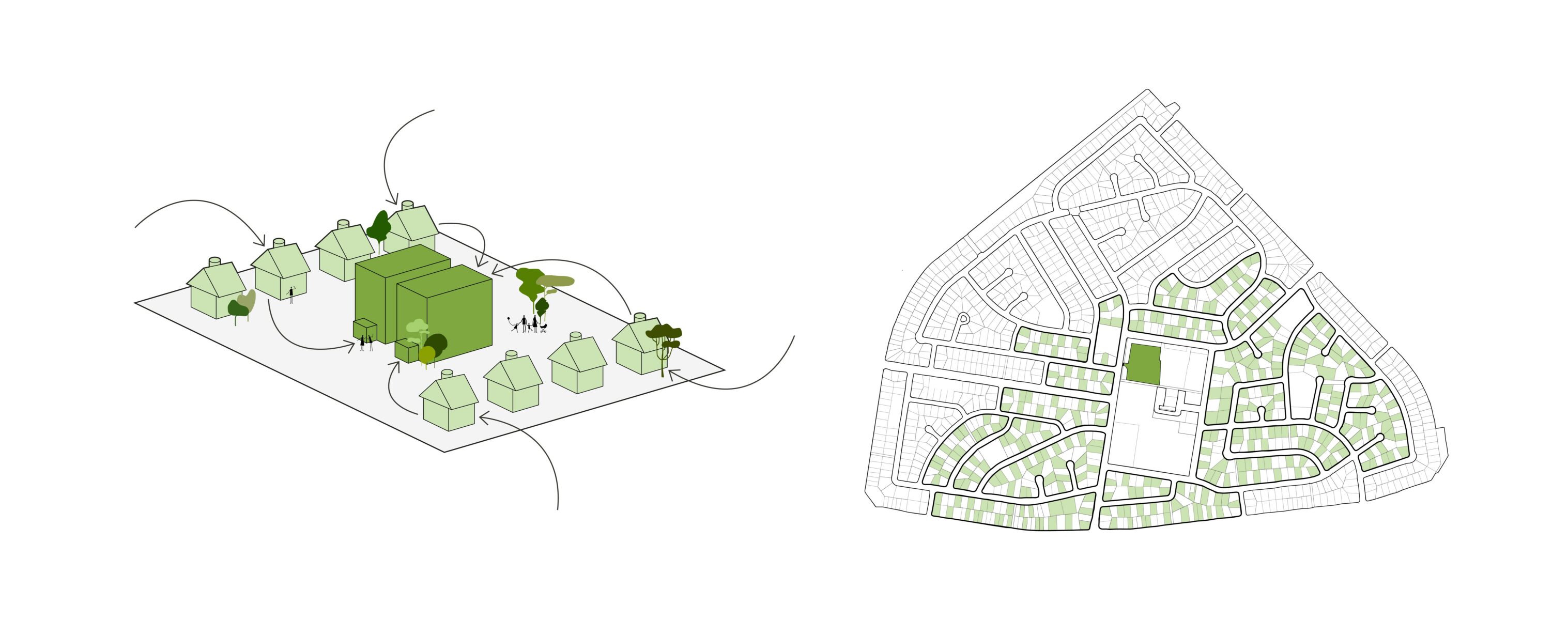
CK: When retirement villages are built in existing and established neighbourhoods, they offer a ‘right sizing’ process for suburb activation and sustainability. Large family homes become available for new generations to move into, and older residents can remain in the suburb in which their previous residence was located. This renewal of a suburb often brings new residents, young families, renovations and preservations of houses, and a whole new life to a neighbourhood.
Q: How can ‘Suburb Recycling’ support Canberra’s current housing challenges?
CK: Suburb Recycling offers Canberra the opportunity to open access to existing suburbs and neighbourhoods for younger families and thereby reduces the need for a never-ending urban sprawl on the outskirts of our city. Retirement villages are a soft density uplift option that have minimal impact on existing suburbs and typically fit in well as part of the densification options available.
Q: How have retirement villages changed since you’ve been working in the sector?
CK: Retirement villages have evolved significantly since I began in the sector over twenty years ago and are now vibrant engaged communities which support aging in place (i.e. people staying in their existing community). Where once villages may have been single level spread out villas in greenfield sites, they are now typically sophisticated apartment communities with a variety of service options available to residents, built close to existing amenities.
Q: What are the taboos or misconceptions about Retirement Living that need to be addressed?
CK: Many people confuse Retirement Living with aged-care and old-fashioned nursing-homes. In fact, retirement living communities are groups of regular homes, be it multi-unit or villas (typically more than 50 in a group) that are adaptable to suit aging in place and have extra facilities such dining rooms, club rooms, and often onsite administration. They do have specific ownership requirements (typically residents must be aged over 55 or 65), and this is to support the overall community to feel safe, supported and flourish. There is a misconception that living in a shared community environment means reduction in freedoms such as having family members to stay. In reality, these villages are welcoming of the many facets of people’s lives and simply request respectful communication and respect for others sharing the environment. An example of this is someone with a teenage grandchild who wants to skate in common paved areas. This can be a hazard for less-mobile residents, so there might be consideration to do this somewhere safer for all.
Q: How can communities better support considered Retirement Living in their neighbourhoods?
CK: Consider the merits of each proposal on a case-by-case basis. Support tailored zoning and land releases that facilitate Retirement Living as one of the designated options available to urban renewal and development. I’d encourage people to think of Retirement Living residents not as ‘other’ or unlike yourself. The life span of newly developed villages may very likely include your own period of retirement and might even be your own home in the future. Wouldn’t you like to live close to shops, parks, and services you have always used in your own neighbourhood without the hassle of maintaining a huge house?
Q: What are some great examples of successful Retirement Living integration into well-established suburbs?
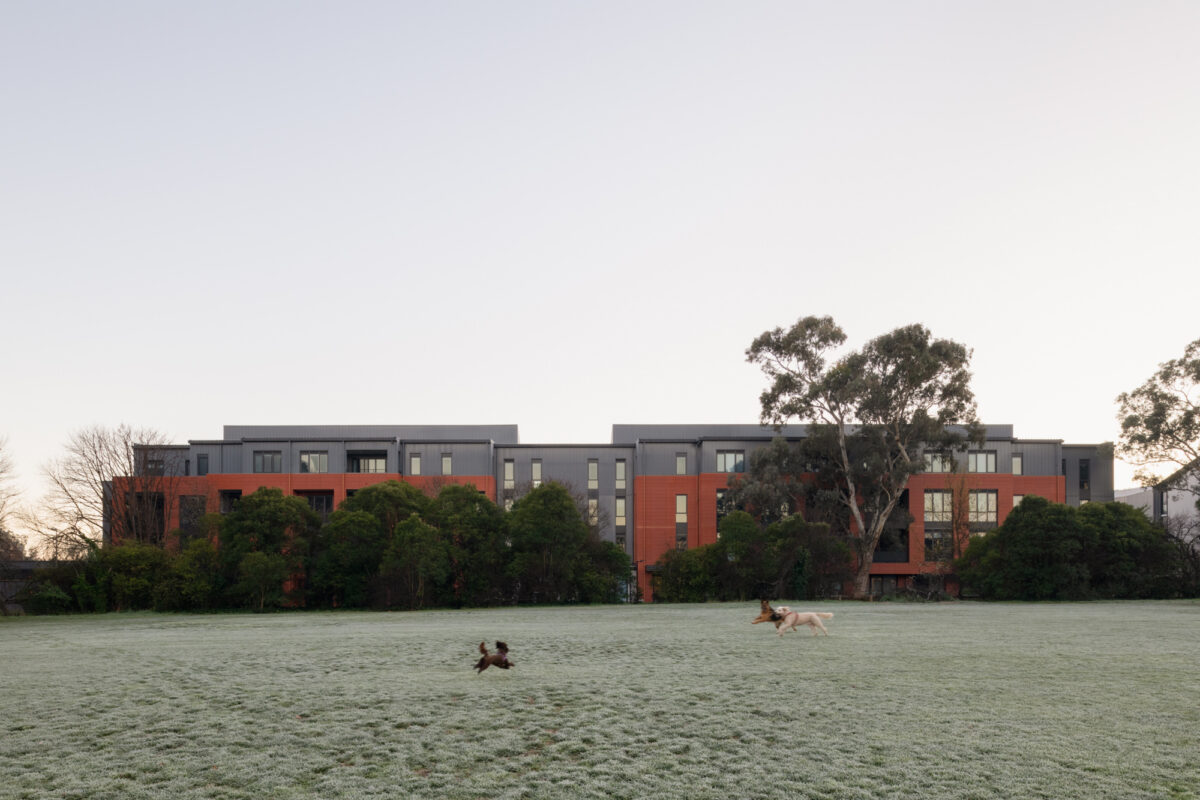
CK: The Verge At Burleigh Retirement Village utilised the peripheral part of a golf course to create numerous types of accommodation in the established part of Burleigh at the Gold Coast. This is a thriving community that adds to the existing neighbourhood and maintains the overall community amenity. Goodwin Ainslie was originally opposed by surrounding neighbours but has maintained numerous significant trees on site and is a much sought after urban village near the centre of Canberra. The recently completed Goodwin Downer Village was designed around heritage trees on the site and significant challenges within the block. Being alongside local facilities and sporting fields means it’s close to amenities and community activities, connecting the residents to a café, shops, and other neighbourhood residents. For many, staying in their local neighbourhood means keeping connections to family, friends and familiar services, supporting the often large adjustment of downsizing.